



Rare Earth Magnets Explained: What Every Engineer Should Know in 2026
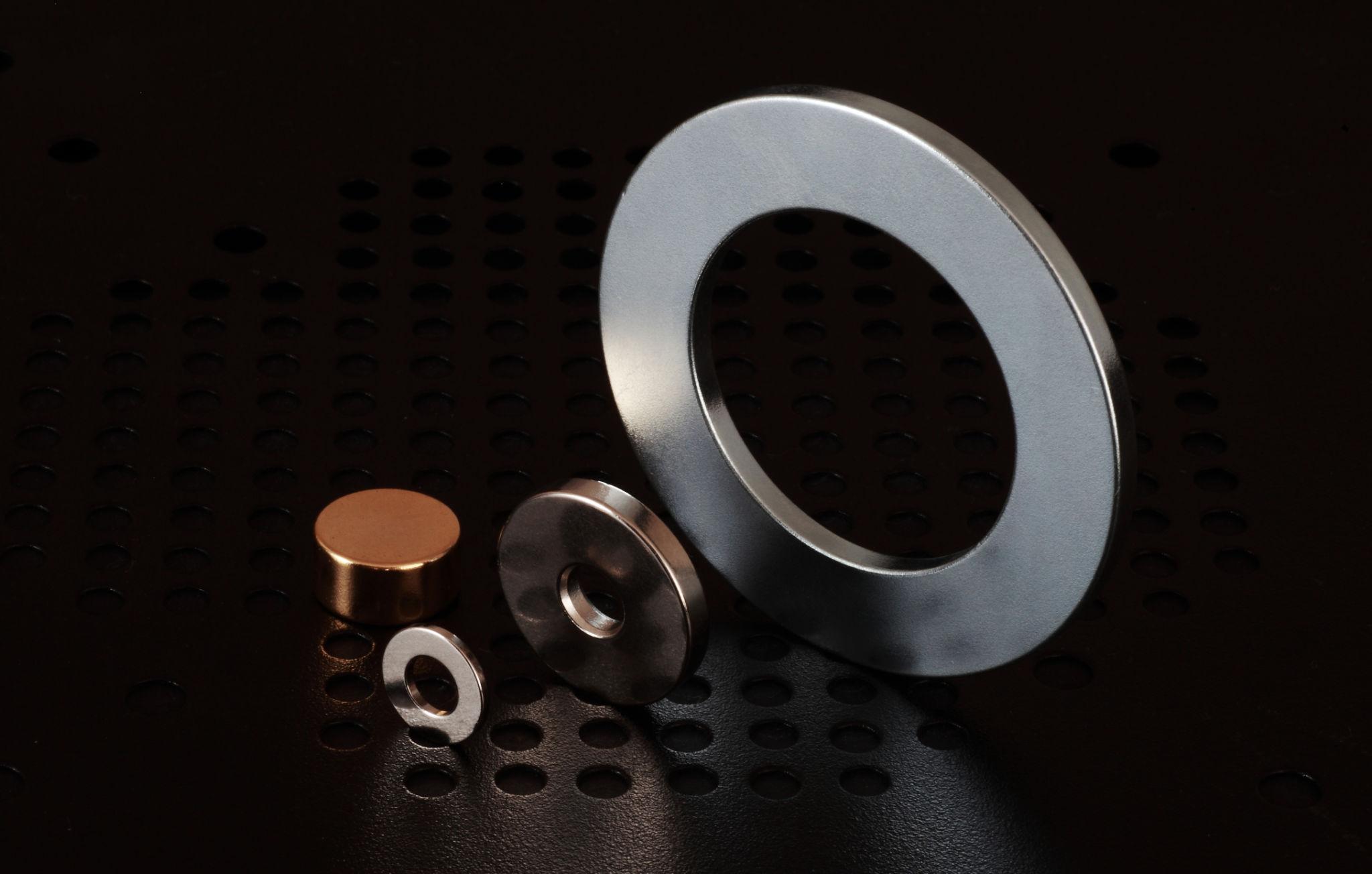
Rare Earth Magnets Explained
Rare earth magnets are at the core of today’s most advanced engineering systems. From aerospace actuators to semiconductor equipment and medical devices, these materials enable higher performance in smaller, more efficient designs.
In 2026, understanding rare earth magnet selection is more important than ever. Engineers must balance performance, operation environment, and supply chain considerations when choosing between the two most widely used materials: Neodymium Iron Boron (NdFeB) and Samarium Cobalt (SmCo).
What Are Rare Earth Magnets?
Rare earth magnets are permanent magnets made from alloys of rare earth elements. Compared to traditional materials, they deliver significantly higher magnetic strength and energy density, making them essential for compact, high-performance applications.
Their ability to generate strong magnetic fields in small footprints supports ongoing trends in miniaturization, precision motion, and system efficiency. Among rare earth magnets, NdFeB and SmCo dominate most engineered applications.
Neodymium Magnets (NdFeB): Maximum Strength in Compact Designs
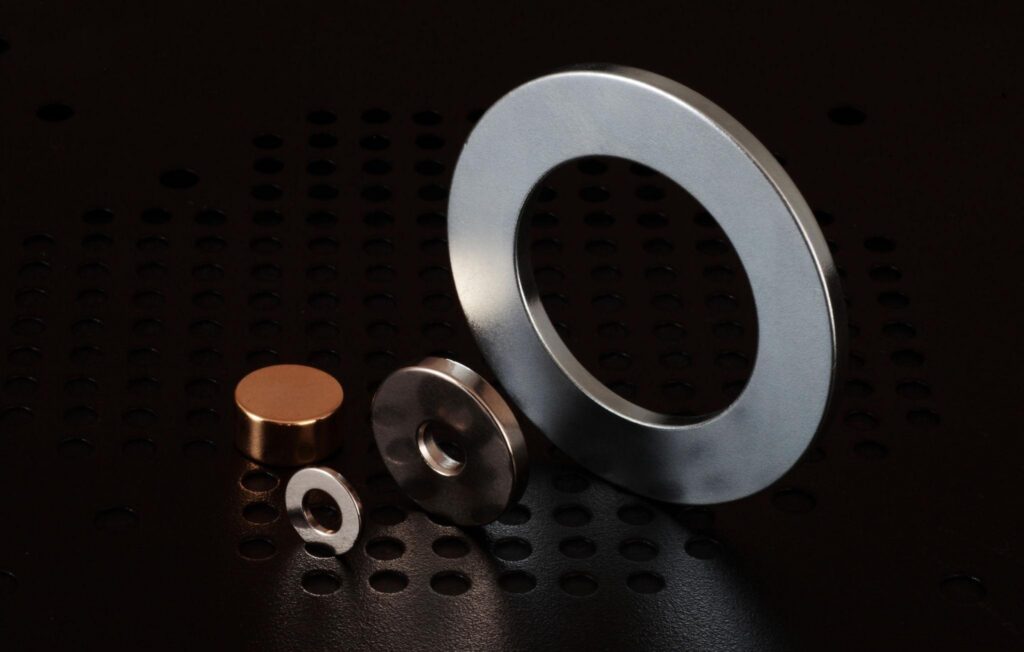 Neodymium magnets are the strongest commercially available permanent magnets. They are widely used in applications where maximizing force or torque within a limited space is critical.
This strength makes NdFeB ideal for electric motors, actuators, and high-efficiency systems where size and weight are tightly constrained. In controlled environments, they offer an excellent balance of performance and cost.
However, NdFeB magnets have limitations that engineers must consider. They are more susceptible to corrosion and typically require protective coatings, platings, or encapsulations. Their magnetic performance can also degrade at elevated temperatures, making them less suitable for extreme operating conditions.
For applications that prioritize maximum magnetic output in stable environments, NdFeB remains a leading choice.
Samarium Cobalt Magnets (SmCo): Reliability in Extreme Environments
Samarium Cobalt magnets offer slightly lower magnetic strength than NdFeB, but they excel where stability and durability are non-negotiable.
SmCo magnets maintain strong magnetic performance across a wide temperature range and are inherently resistant to corrosion and oxidation. This makes them well suited for harsh environments where exposure to heat, pressure, or corrosive elements is expected.
These properties are critical in aerospace systems, defense applications, high-temperature motors, and downhole energy tools. In these environments, long-term reliability often outweighs the need for maximum magnetic strength.
While SmCo materials typically come at a higher cost and are more brittle than NdFeB, their performance in demanding conditions makes them essential for mission-critical designs. The risks due to brittleness can be mitigated through design optimizations; like encapsulated magnets, powder coated magnets, etc.
NdFeB vs. SmCo: Making the Right Engineering Choice
Selecting the right rare earth magnet is not about choosing the strongest material. It is about aligning material properties with application requirements.
Engineers should evaluate operating temperature, environmental exposure, mechanical constraints, and long-term reliability. In general, NdFeB is preferred for high-strength applications in controlled environments, while SmCo is selected for stability in extreme or unpredictable conditions.
Material selection also impacts system longevity, maintenance requirements, and overall performance consistency.
2026 Considerations: Supply Chain and Compliance
Beyond performance, engineers must now consider supply chain dynamics and regulatory requirements as part of the design process.
Global demand for rare earth materials continues to evolve, and sourcing strategies are increasingly tied to compliance standards such as DFARS. Access to stable, compliant material sources can directly impact project timelines and long-term viability.
Design decisions made early in development must account for these factors to reduce risk and ensure continuity.
Engineering with Confidence
Rare earth magnets enable the performance gains that modern systems demand, but selecting the right material requires a clear understanding of both technical and external factors.
By evaluating the tradeoffs between NdFeB and SmCo, engineers can design systems that deliver not only peak performance, but also long-term reliability and supply chain resilience.