



Powering the Future of Flight: Magnetics in Advanced Air Mobility
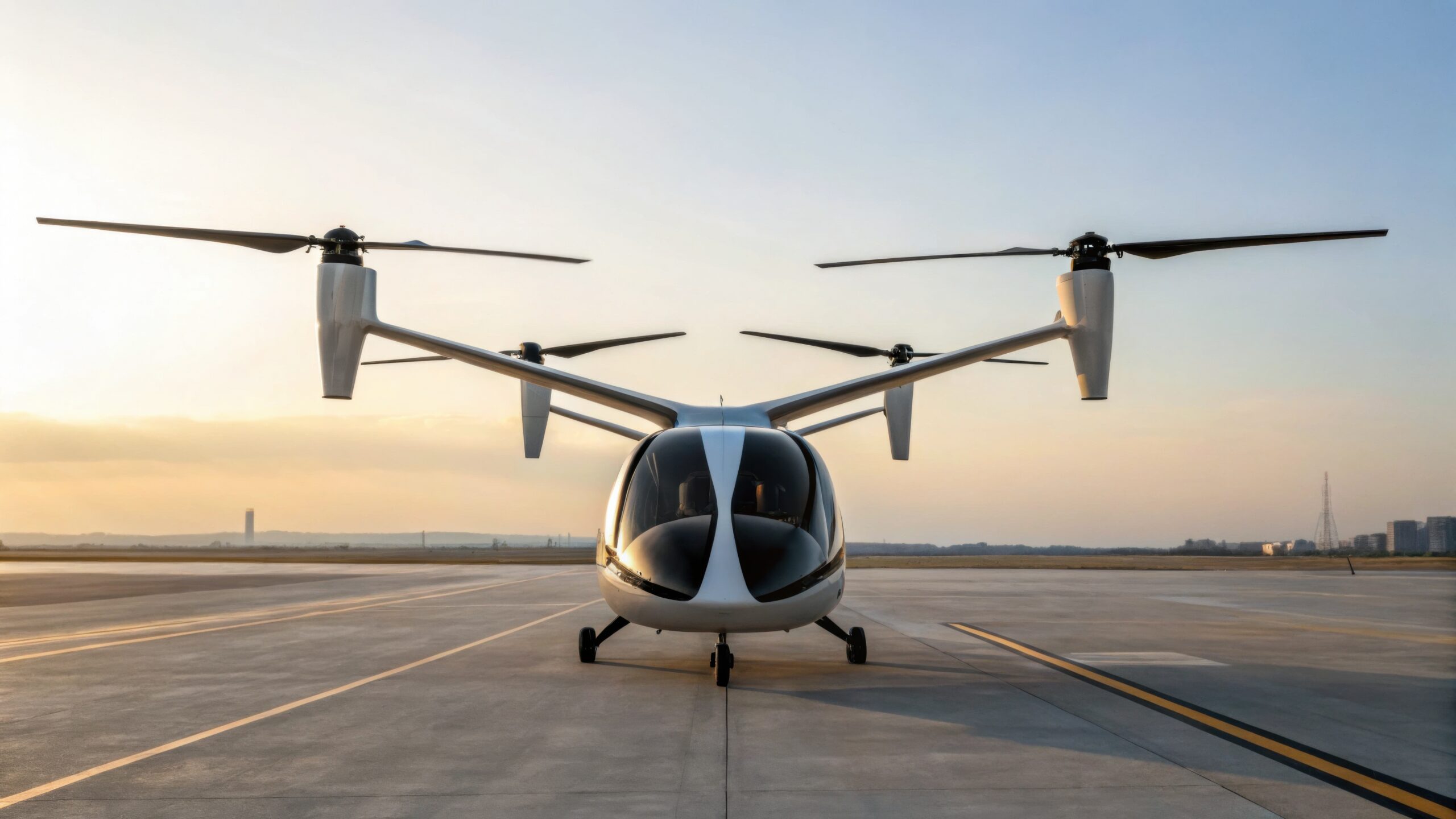
Magnetic Assemblies in Advanced Air Mobility
Advanced Air Mobility (AAM) is redefining what flight looks like—from conventional takeoff and landing (cTOL) aircraft to electric vertical takeoff and landing (eVTOL) platforms and hybrid-electric regional designs built for cleaner, quieter, and more efficient transportation. While much of the focus centers on airframes, batteries, and software, one foundational technology quietly enables this transformation: advanced magnetic assemblies.
From propulsion to control, magnetics play a central role in making electric and hybrid aircraft viable, reliable, and scalable for the next generation of flight.
A New Aviation Paradigm
Advanced Air Mobility represents a shift away from traditional turbine-driven aircraft toward electrically powered and hybrid architectures. These platforms prioritize efficiency, redundancy, and reduced emissions while operating in demanding aerospace environments. Achieving these goals requires systems that deliver high power density, precise control, and exceptional reliability—all under strict weight and space constraints.
Permanent magnets and engineered magnetic assemblies are critical to meeting these demands.
Magnetics at the Heart of Electric Propulsion
Electric and hybrid-electric aircraft rely heavily on permanent magnet motors and generators to convert electrical energy into mechanical motion efficiently. Advanced magnetic designs enable propulsion systems that deliver high torque and power output while minimizing size and mass—key requirements for aerospace electrification.
In AAM platforms, magnetic assemblies support:
- High-efficiency electric propulsion motors
- Lightweight, compact generator systems
- Distributed propulsion architectures with multiple smaller motors
By maximizing force density and reducing electrical losses, magnetics help extend range, improve energy efficiency, and support novel aircraft configurations that are not feasible with conventional propulsion technologies.
Supporting Distributed and Redundant Architectures 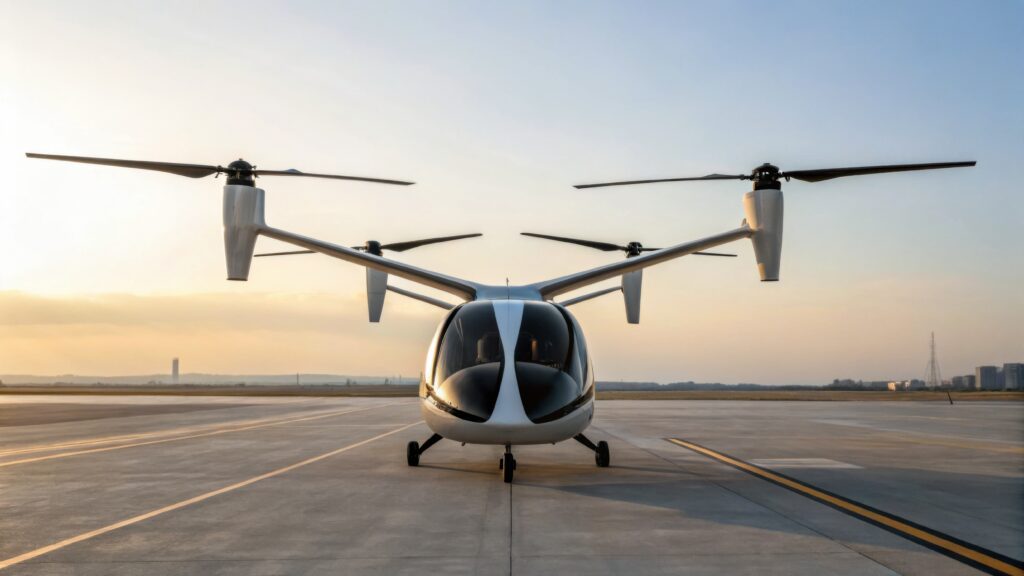
Unlike traditional aircraft, many AAM designs use distributed propulsion—multiple electric motors operating in parallel to improve efficiency, control, and redundancy. Magnetic assemblies are essential to this approach, enabling consistent performance across multiple motor systems while maintaining tight tolerances and reliability.
Precision-engineered magnets ensure predictable motor behavior, smooth torque delivery, and rapid response—critical attributes for both piloted and autonomous flight systems.
Magnetics in Flight Control and Actuation
Beyond propulsion, magnetic assemblies play a vital role in flight control systems, braking, and auxiliary actuation. Magnetic solutions enable smooth, contactless or low-wear motion, reducing mechanical complexity while improving responsiveness and durability.
In electric and hybrid aircraft, magnetic actuation supports:
- Control surface movement
- Steering and braking systems
- Environmental and auxiliary subsystems
These systems benefit from the inherent reliability of magnetic designs, which reduce friction, tolerate vibration, and perform consistently in harsh operating conditions.
Engineering Challenges in Advanced Air Mobility
AAM platforms present unique engineering challenges that push magnetic design to new levels. High rotational speeds, elevated operating temperatures, vibration, and aggressive packaging constraints demand careful material selection and magnetic circuit optimization.
Advanced magnetic assemblies must be designed with:
- Thermal stability and demagnetization resistance
- Structural integrity under dynamic loads
- Compatibility with aerospace certification requirements
Early collaboration between aircraft designers and magnetic engineering experts is essential to ensure performance targets are met without compromising safety or manufacturability.
Enabling Scalable, Future-Ready Aircraft
As Advanced Air Mobility moves from prototype to production, scalability becomes just as important as performance. Magnetic assemblies must transition seamlessly from early development to full-rate manufacturing while maintaining consistency, quality, and long-term availability.
Permag’s experience designing and manufacturing high-performance magnetic assemblies for aerospace applications enables this transition. By tailoring magnetic solutions to specific propulsion and control requirements, Permag helps AAM innovators reduce risk, accelerate development timelines, and build confidence into their platforms from day one.
Magnetics Powering the Future of Flight
Advanced Air Mobility is not driven by a single breakthrough—it is the result of multiple enabling technologies working together. Magnetics sit at the core of this ecosystem, supporting efficient propulsion, precise control, and reliable operation in next-generation aircraft.
As electric and hybrid aviation continues to evolve, advanced magnetic assemblies will remain a foundational technology—quietly powering the future of flight while enabling safer, cleaner, and more efficient air mobility.