



Lightweight Power: Magnetics Driving Efficiency in Next-Generation Aircraft Systems
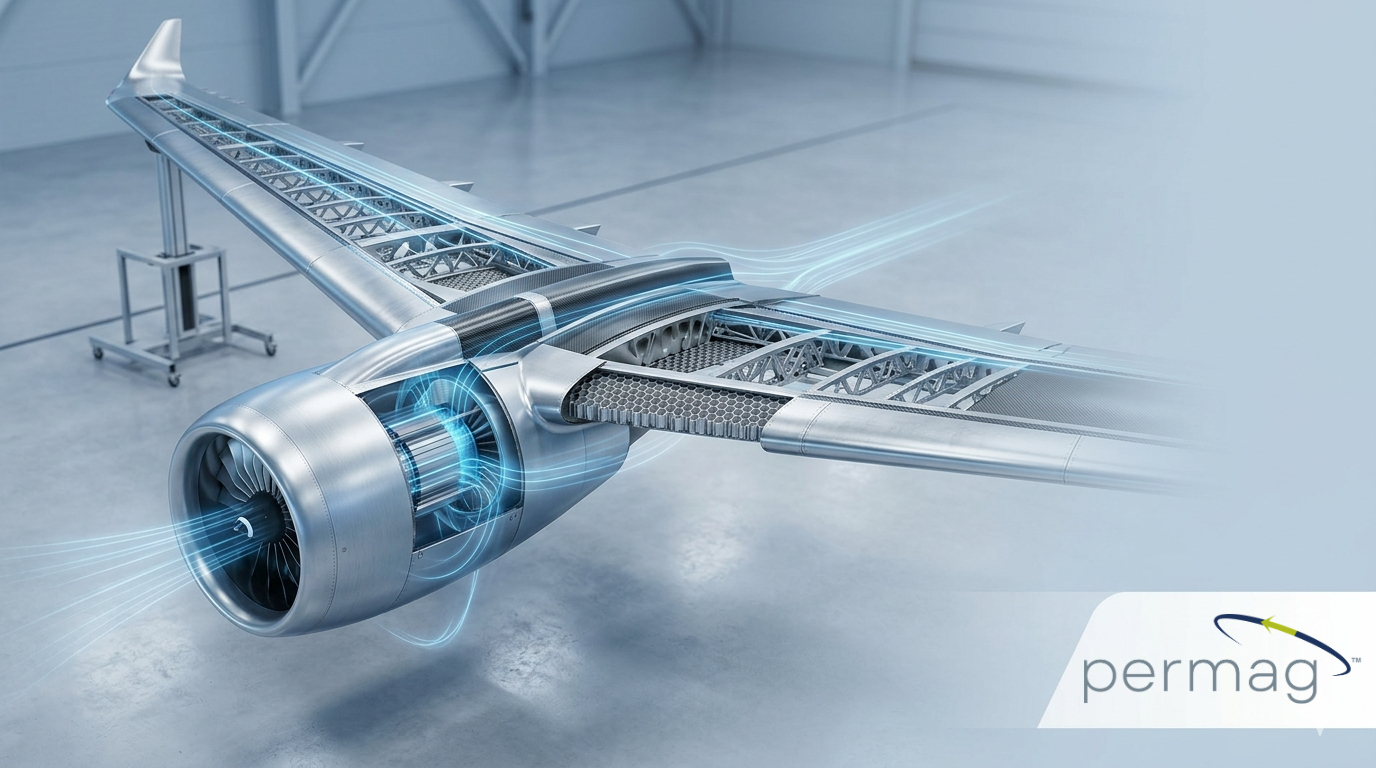
Aircraft manufacturers are under constant pressure to improve efficiency, reduce weight, and increase system performance. From commercial aviation and military platforms to Advanced Air Mobility (AAM) aircraft and unmanned systems, the demand for lighter and more efficient technologies continues to grow.
One of the most important enablers behind this shift is advanced magnetic technology. High performance magnetic materials and compact magnetic assemblies help aerospace engineers reduce system weight while maintaining the reliability and durability required for flight critical applications.
Why Lightweighting Matters
In aerospace systems, even small weight reductions can create meaningful operational benefits. Lower system weight can improve fuel efficiency, extend flight range, increase payload capacity, and reduce operating costs. As aircraft systems become increasingly electrified, lightweight components are becoming even more critical.
This trend is especially important in emerging technologies such as hybrid electric propulsion systems, UAVs, and eVTOL aircraft, where space and weight constraints directly impact performance. Engineers are looking for ways to deliver more power and functionality within smaller footprints, making compact magnetic assemblies an essential part of modern aircraft design.
The Role of Magnetics in Aerospace Efficiency 
Permanent magnets play a major role in improving power density across aerospace systems. By generating strong magnetic fields in compact packages, advanced magnetic materials allow motors, generators, actuators, and sensors to operate more efficiently while occupying less space and weight.
High performance magnetic assemblies are commonly used in:
- Flight control actuators
- Engine driven generators
- Fuel pumps
- Guidance and sensing systems
- Avionics
- Electric propulsion systems
- UAV and eVTOL platforms
These technologies help aerospace engineers reduce overall system mass while maintaining the precision and reliability needed for demanding flight environments.
High Performance Materials for Demanding Conditions
Material selection is one of the most important considerations in aerospace magnetic design. Two of the most widely used materials are samarium cobalt (SmCo) and neodymium iron boron (NdFeB).
SmCo magnets are valued for their exceptional temperature stability, corrosion resistance, and ability to maintain magnetic performance in harsh operating environments. These characteristics make them ideal for engines, auxiliary power units, and other high temperature aerospace systems.
NdFeB magnets offer extremely high magnetic strength and excellent power to weight performance. Their ability to support compact motor and actuator designs makes them valuable for applications where minimizing size and weight is critical.
Selecting the right magnetic material depends on factors such as operating temperature, vibration exposure, environmental conditions, and long-term reliability requirements.
Supporting the Future of Flight
As the aerospace industry moves toward greater electrification, magnetic technologies are becoming increasingly important to aircraft performance and efficiency. Electric propulsion systems, advanced flight controls, and compact power systems all rely on precision engineered magnetic assemblies to operate effectively.
At the same time, aerospace environments remain extremely demanding. Magnetic components must withstand vibration, shock, thermal cycling, and long operational lifecycles without sacrificing performance. Achieving this balance requires careful magnetic circuit design, advanced manufacturing expertise, and application specific engineering support.
Custom magnetic assemblies allow aerospace engineers to optimize performance while reducing unnecessary weight and packaging constraints. This helps support the next generation of aircraft platforms designed for higher efficiency, improved sustainability, and greater operational capability.
Lightweight Innovation Through Magnetic Engineering
The future of aerospace will depend heavily on technologies that improve efficiency without compromising reliability. Advanced magnetic materials and compact assemblies are helping make that possible.
By combining lightweight design with high performance magnetic engineering, aerospace manufacturers can build systems that support longer range, lower fuel consumption, and next generation electrified flight platforms. As aircraft continue to evolve, magnetic technologies will remain a critical part of powering the future of flight.