



Designing Magnetic Assemblies for Hypersonic and High-Temperature Environments
Resilience in the Field: Designing Magnetic Assemblies for Hypersonic and High-Temperature Environments
Modern defense technologies are pushing engineering performance to new extremes. Hypersonic vehicles, directed-energy platforms, and advanced guidance systems operate in environments defined by intense heat, severe vibration, and rapid acceleration. In these conditions, every component must deliver reliable performance. Magnetic assemblies play a critical role in enabling these systems, and selecting the right materials is essential for mission success.
As defense platforms evolve toward faster speeds and harsher operating conditions, magnetic systems must be engineered to withstand environments that exceed the limits of many traditional materials. High-performance magnet technologies, particularly Samarium Cobalt (SmCo), are helping defense engineers meet these challenges.
Hypersonic Systems Demand Extreme Durability
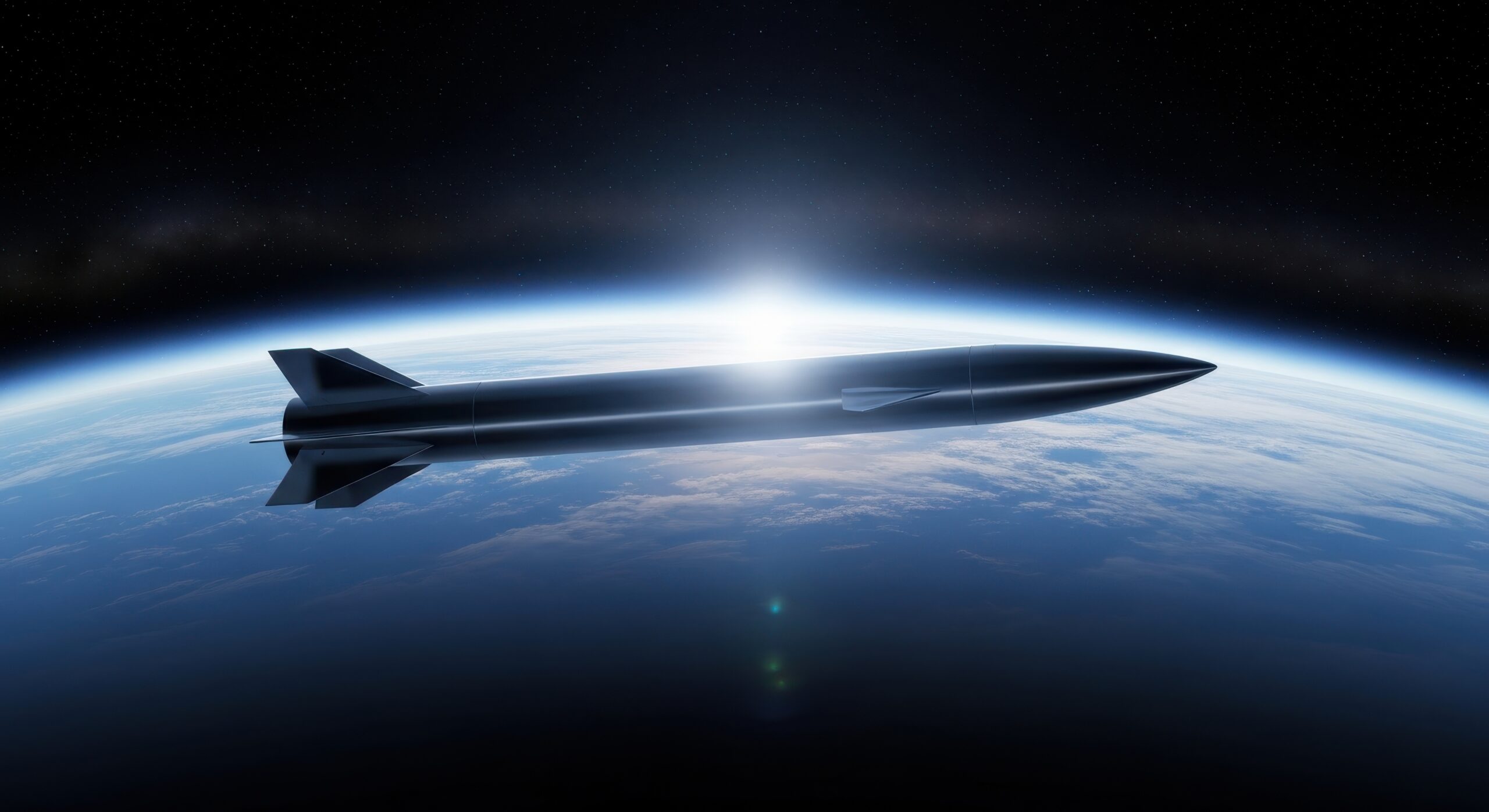
Hypersonic platforms travel at speeds greater than Mach 5, generating enormous aerodynamic heating and mechanical stress. These vehicles experience sustained high temperatures, rapid thermal cycling, and powerful vibration loads throughout their mission profiles.
Directed-energy systems present another demanding environment. High-power microwave and laser platforms rely on compact, high-performance components that must operate reliably under elevated thermal conditions.
Within these advanced defense systems, magnetic assemblies support a range of critical functions, including actuator systems for guidance and control surfaces, high-speed electric motors and generators, sensors and precision encoders, and microwave or RF control components. In many of these applications, stable magnetic fields must be maintained even as temperatures fluctuate significantly.
The Challenges of High-Temperature Magnetics
Many conventional magnetic materials lose performance when exposed to elevated temperatures. Increased heat can reduce coercivity, cause partial demagnetization, or introduce instability that affects overall system performance. 
Defense systems operating in hypersonic environments face several major challenges. Aerodynamic heating can produce sustained high temperatures that stress magnetic materials. Rapid temperature cycling may cause fluctuations in magnetic performance if materials are not carefully selected. At the same time, mechanical shock and vibration can threaten assemblies that are not designed for rugged operating conditions.
For these reasons, defense engineers require magnet materials capable of maintaining consistent performance across wide temperature ranges while resisting demagnetization and environmental degradation.
Why Samarium Cobalt Magnets Excel
Samarium Cobalt magnets are widely used in mission-critical applications because they maintain strong magnetic performance in extreme environments.
One of the most important advantages of SmCo magnets is their thermal stability. These magnets can operate at temperatures exceeding 500°C while maintaining stable magnetic properties. This makes them ideal for defense systems exposed to sustained high heat.
SmCo magnets also offer excellent resistance to demagnetization, even when exposed to strong opposing magnetic fields. Their corrosion resistance is another advantage, allowing many SmCo components to operate without protective coatings that may degrade over time in harsh environments.
In addition, SmCo magnets provide high magnetic energy density, enabling compact and lightweight magnetic assemblies. This is especially valuable in aerospace and defense systems where space and weight constraints are critical.
Engineering Magnetic Assemblies for Hypersonic Platforms
Designing magnetic assemblies for hypersonic environments requires more than selecting the right material. Engineers must optimize the entire magnetic and mechanical design to ensure reliability.
Magnetic circuit design must account for how temperature influences magnetic flux and field stability. Mechanical reinforcement is often required to protect assemblies from vibration and shock loads experienced during launch, flight, or maneuvering. Thermal management strategies may also be used to maintain consistent performance.
Advanced modeling tools such as finite element analysis (FEA) allow engineers to simulate magnetic and thermal behavior during the design phase. These simulations help ensure magnetic assemblies perform reliably in demanding operational environments.
Enabling the Next Generation of Defense Systems
Hypersonic and directed-energy technologies represent a new era in defense capability. As these systems continue to evolve, the components that support them must deliver exceptional durability and performance.
High-temperature magnetic materials such as Samarium Cobalt, combined with advanced engineering and precision manufacturing, enable magnetic assemblies that can operate reliably in extreme conditions. By designing magnetic systems specifically for these environments, engineers help ensure next-generation defense platforms remain resilient and mission ready.